Georgia
In Georgia we run two guided treks in Upper Svaneti, in the Greater Caucasus: a 9-day traverse (level 2/5) and a 13-day trip (level 3/5) that adds Tbilisi, Gori and Batumi. Both walk village to village from the Zagari pass to Mestia via Ushguli, Khalde, Adishi and Zhabeshi, on stages of roughly 10 to 16 km, between mid-June and mid-September.
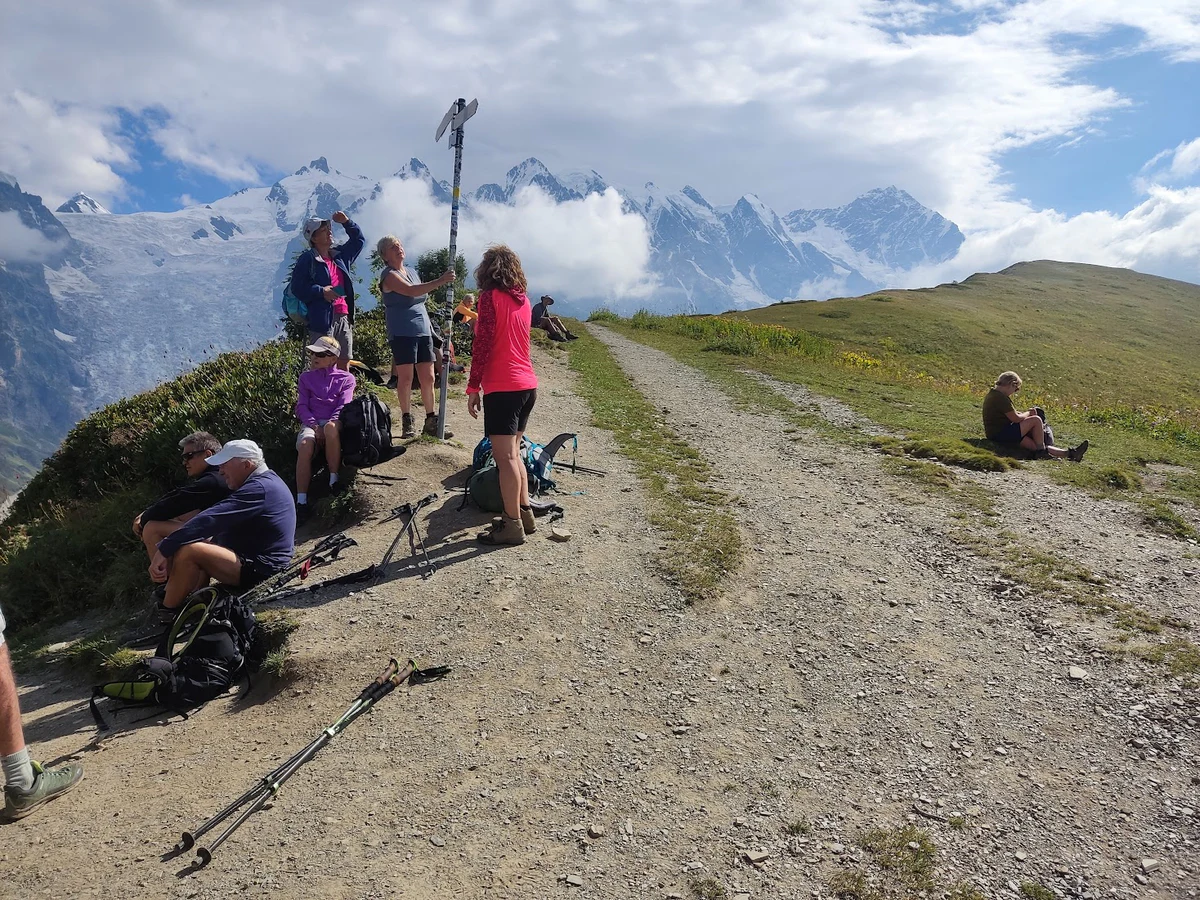
- Trekking in Svaneti – Georgia — A 13-day trek in the heart of the Georgian Greater Caucasus: from the medieval villages of Svaneti and the stone towers of Ushguli to the Black Sea at Batumi.
- Svaneti – Great Caucasus Traverse — A village-to-village traverse through the heart of Upper Svaneti, between medieval towers, glaciers and the high peaks of the Greater Caucasus.
Decision guide · Georgia and Svaneti
Choosing between two Upper Svaneti traverses
Georgia is the only destination in our catalogue outside Türkiye. These notes help you weigh the stages, season, accommodation and effort of both trips before you request an itinerary.
Mestia, Ushguli and the tower villages: what the trek covers
Upper Svaneti has been on UNESCO’s World Heritage List since 1996 for its medieval-looking villages and tower houses set in high mountain country. In Chazhashi, one of the hamlets of Ushguli, more than 200 of these fortified houses survive; they served both as homes and as refuges against invaders. Georgia’s national tourism administration describes Ushguli as the highest village in Svaneti, above 2,100 m and about 46 km from Mestia by road.
Both trips follow the same thread. You enter Svaneti on foot, from the Zagari pass area down to Ushguli, then walk village to village: Khalde, Adishi, Zhabeshi (spelled Jabeshi in the 13-day itinerary) and Mestia, the small regional capital at about 1,500 m. A final mountain day climbs to the Guli pass, facing Ushba (4,710 m), before dropping into the Becho valley.
The standout day crosses the Chkhunderi pass above Iprari, facing the Tetnuldi massif and the Adishi glacier. Beyond the pass you have to cross the meltwater river below the glacier. There is no bridge: the crossing is arranged according to the water level, most often on horseback. Adishi, at the end of the stage, is a remote, partly abandoned village watched over by its towers.
When to go to Svaneti: mid-June to mid-September
The 13-day trip page gives 15 June to 15 September, and it is also the window we recommend for the 9-day traverse. Earlier, snow can linger on the passes and meltwater swells the rivers. Later, nights turn cold quickly and the first snow can return to the heights.
In late June and July the meadows are in flower and the rivers run high. August is the busiest month, on the trail and in the guesthouses. In early September the trail empties and mornings are crisp.
The Transcaucasian Trail, which crosses Upper Svaneti, warns of summer storms with strong lightning. So we start early and cross the passes in the morning; glacial water, for its part, rises through the day.
Effort, comfort and logistics: what the stages ask of you
The 9-day itinerary gives stages of 10.3 to 15.7 km, with about 3 h 50 to 6 h 05 of walking; three are graded difficult. The steepest descent comes on the Guli pass day: 1,361 m over 14.2 km.
No technical ground, but six mountain days in a row. The 13-day itinerary gives slightly different figures, up to +930 m between Adishi and Jabeshi, depending on the variant. Bring poles for the descents.
Luggage goes by road, so you carry only a daypack. In the villages you stay with local families or in guesthouses; the 13-day itinerary specifies shared showers and toilets and shared rooms. In Mestia and in town, nights are in three-star hotels. Groups have 4 to 15 people, with a local hiking guide who speaks the group’s language.
Which trip should you read for Georgia?
Two published trips cover Svaneti, with the same villages on foot and different lengths. This note is a reading aid; only the itinerary and written proposal confirm stages, accommodation and services.
- Svaneti – Great Caucasus Traverse — Read this if you want the essentials: 9 days in and out of Kutaisi, six walking days from Zagari to Mestia and on to the Guli pass, and Prometheus Cave at the end; catalogue level 2/5.
- Trekking in Svaneti – Georgia — Read this if you also want Georgia’s cities: 13 days with Tbilisi, the Gori museum, Kutaisi and Prometheus Cave, the same trek to Mestia, the Koruldi lakes and the Guli pass, then two days in Batumi on the Black Sea; level 3/5.
Useful guides before choosing
Frequently asked questions about trekking in Svaneti
Where is Svaneti?
In north-west Georgia, in the heart of the Greater Caucasus. Our trips arrive via Kutaisi (9 days) or Tbilisi (13 days) and reach the mountains by road; the return journey follows the Enguri valley down.
How hard is the Svaneti trek?
There is no technical ground, but it strings together six days of roughly 4 to 6 hours with long descents. On the 9-day trip, three stages are graded difficult.
When is the best time to go?
Mid-June to mid-September. Earlier, snow and meltwater can block the passes; later, the cold returns. August is the busiest month.
How do you cross the river below Adishi?
There is no bridge. Depending on the water level, the crossing is usually made on horseback, arranged according to the day’s conditions and preferably in the morning.
Where do you sleep on the trek?
With local families or in guesthouses in the villages, and in three-star hotels in Mestia and in town. Village comfort is simple: shared bathrooms and shared rooms.
What is the difference between the two trips?
The trek on foot is the same. The 9-day trip starts and ends in Kutaisi; the 13-day trip adds Tbilisi, Gori and two days in Batumi on the Black Sea.
Last reviewed :